
Enabling hypersonic defence of critical infrastructure.
Hypersonic propulsion and flight systems for defence, designed for mass production at low cost.
01 Why Torden
-
Expensive and slow.
Hypersonic defence today costs too much and takes too long to build in numbers.
-
No longer ballistic.
Threats that used to fly a predictable arc now manoeuvre at hypersonic speed.
-
Built for volume.
We develop hypersonic propulsion and flight systems designed for mass production at low cost.
02 How we build
How we develop high-performance parts.
An AI‑driven engine turns requirements into production-ready parts.
-
01 Specify
Loads, envelope, cost and process, fixed up front.
-
02 Generate
Candidates for every part, in parallel.
-
03 Simulate
Every candidate is tested against the spec.
-
04 Eliminate
Each round removes what falls short.
-
05 Pick
One design per part, ready for its process.
-
06 Validation
Test, gather data and feed it back. Loop to Generate until it meets the requirements.


Designed to be made.
The engine shapes every part around the process that will make it, and around how the parts go together.
-
01 Made for its process
Shapes a machine can produce without special tooling.
-
02 Precise only where it counts
Tight tolerances at the interfaces, nowhere else.
-
03 Easy to assemble
Few parts, few fasteners, fits that locate themselves.
-
04 Three parts, one assembly


03 Team
Engineers who have flown rockets.
Our founding team comes from Propulse NTNU, the student rocket team at NTNU, where we designed, built and launched liquid-fuelled rockets.
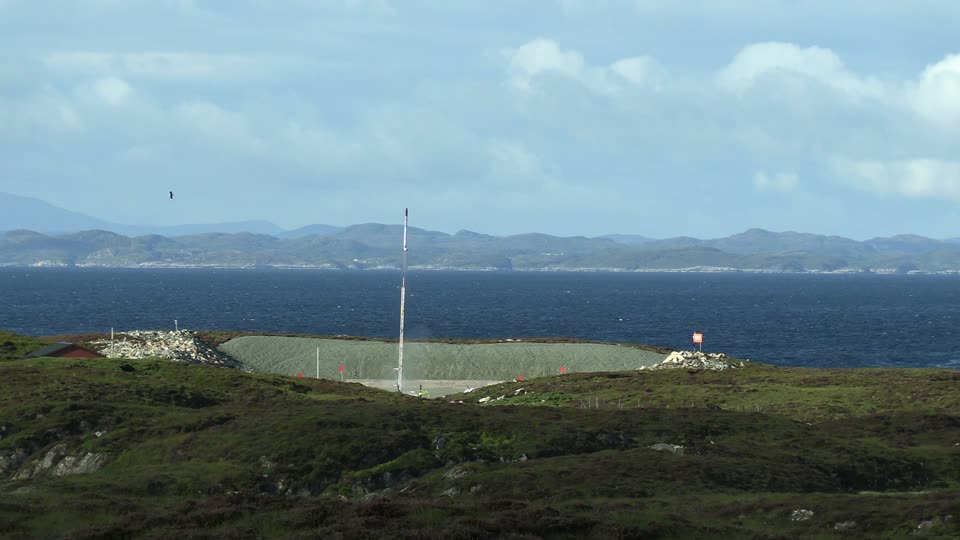
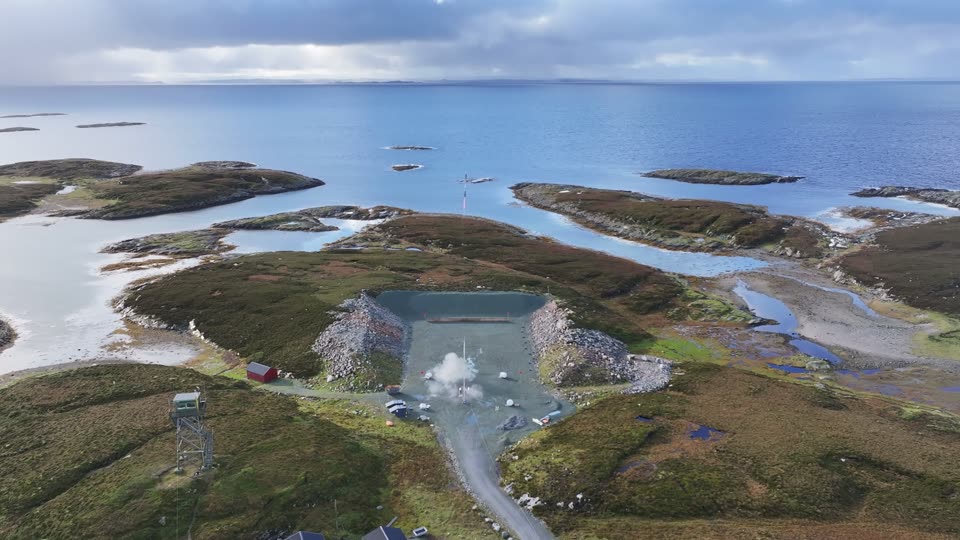
Launch footage: Propulse NTNU, used with permission.
04 Contact
Talk to the founder.
Investors and defence partners: mail goes straight to the founder.
Adrian Wilhelmsen · Founder
adrian@torden.ai05 Engineers
Build hypersonic hardware with us.
There is no job board. Send what you have built to adrian@torden.ai.